Stones | Minerals

Analysis of stone objects

CIRAM precisely authenticates your stone artworks through advanced scientific analyses adapted to the mineral specificities of each material.

Contact our teams
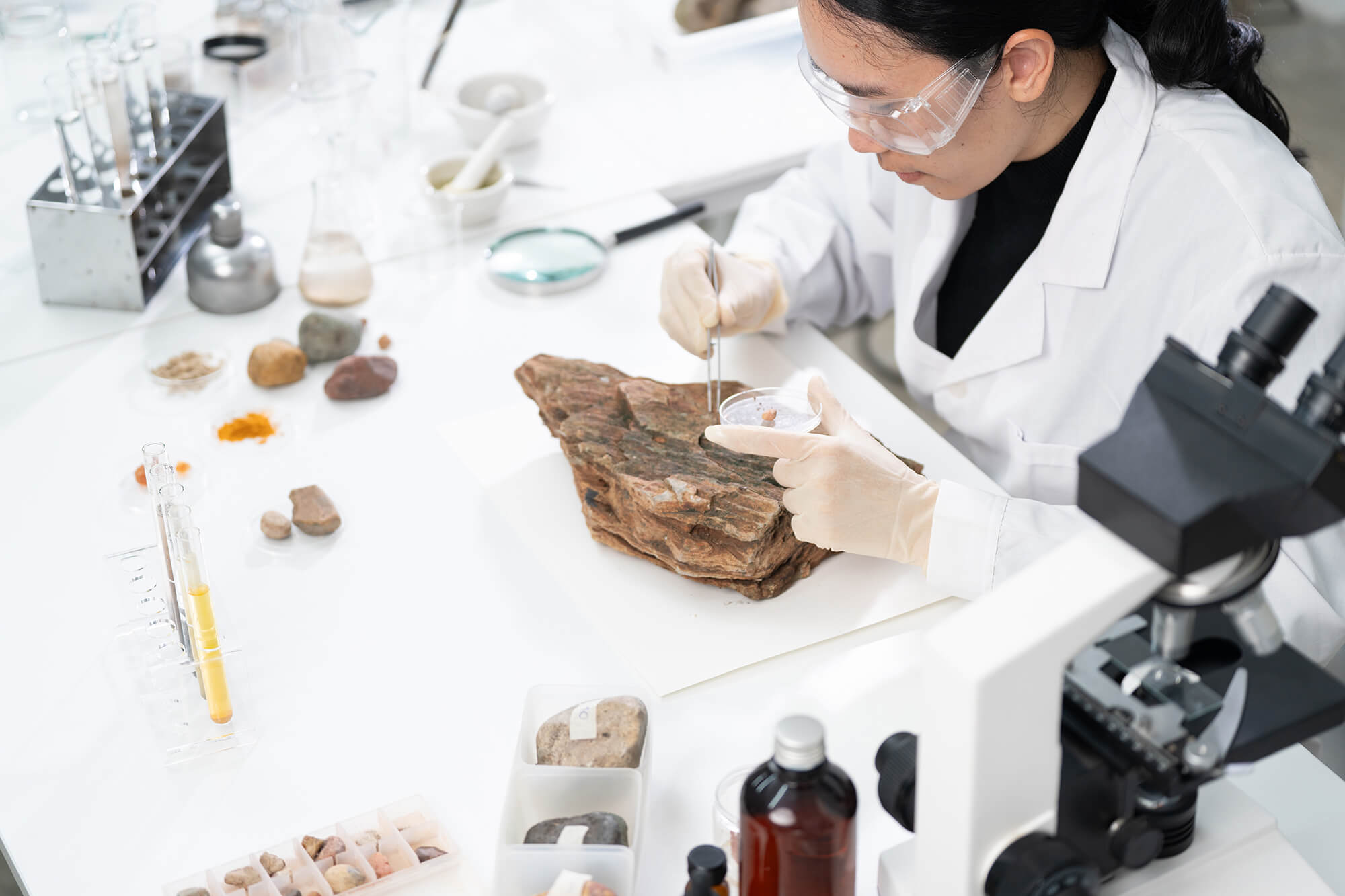
A scientist sampling wood specimens in a laboratory surrounded by organic and mineral materials

How to date a stone

It is important to differentiate between the dating of stone as a raw material and the age of the sculpture or work of art. In most cases, it is the chronology of the creation phase that is of interest. It is therefore not possible to use methods such as carbon-14 dating to date minerals.

Dating is carried out by laboratory analysis of samples. Given the slow weathering processes affecting rocks, our methods are particularly relevant for authenticating and characterizing works that are more than 300 years old, and up to several millennia old.

Request a quote
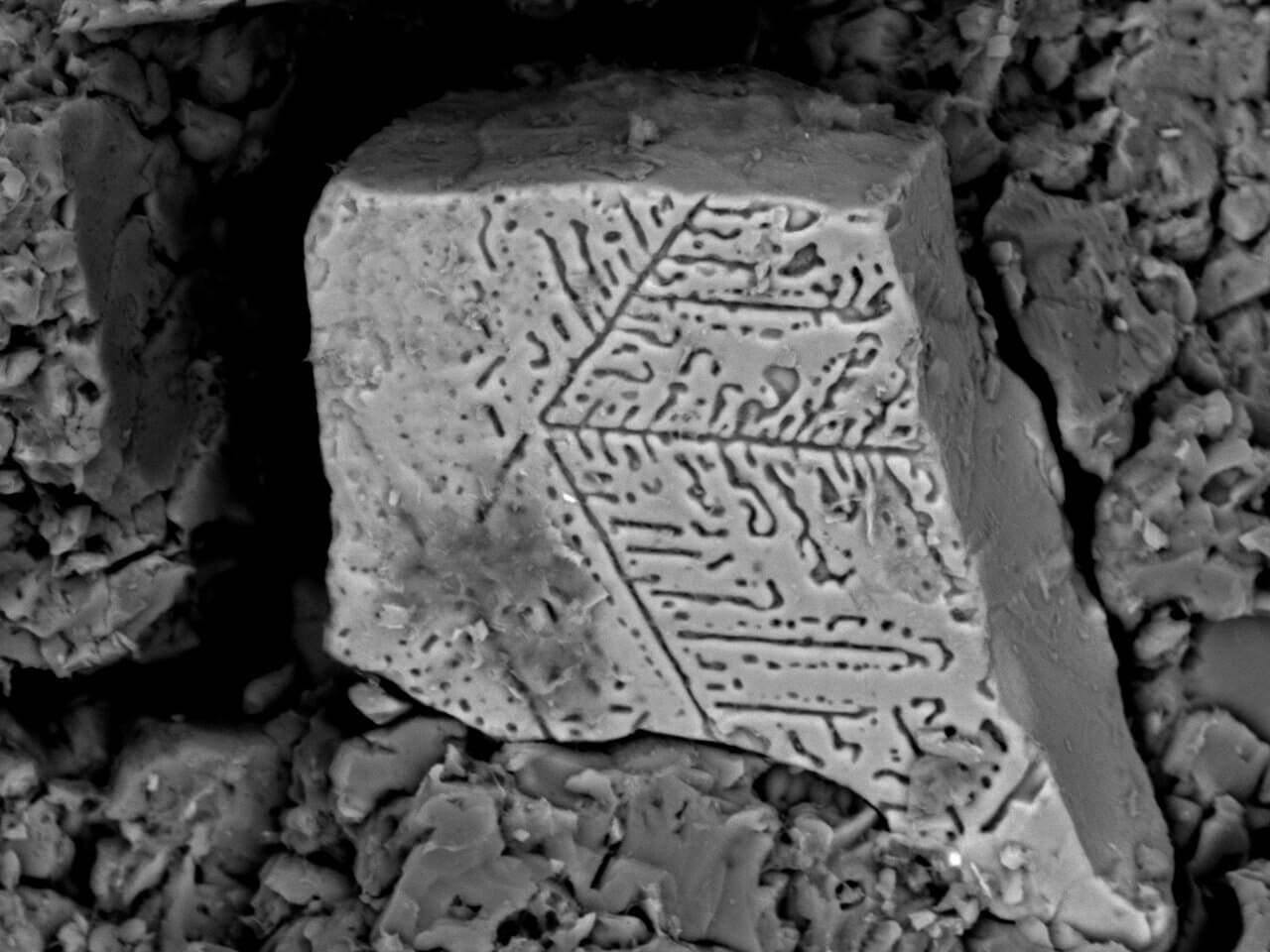
SEM image showing the microstructure of a stone sample

State-of-the-art techniques for the expert analysis of stone artwork

CIRAM offers a complete analytical protocol guaranteeing rigorous authentication of stone sculptures, whatever the material: marble, jade, sandstone, limestone, granite or other precious stones.

Our integrated scientific approach combines several complementary techniques:

  • Precise mineralogical characterization of the constituent material using microscopy and X-ray diffraction,
  • An in-depth study of the degree, chemical and morphological nature of the alterations thanks to scanning electron microscopy (SEM),
  • A detailed structural analysis using X-ray radiography.

Analysis of a stone artwork not only authenticates the object, but also characterizes the sculpture with a view to restoration.

Contact our teams
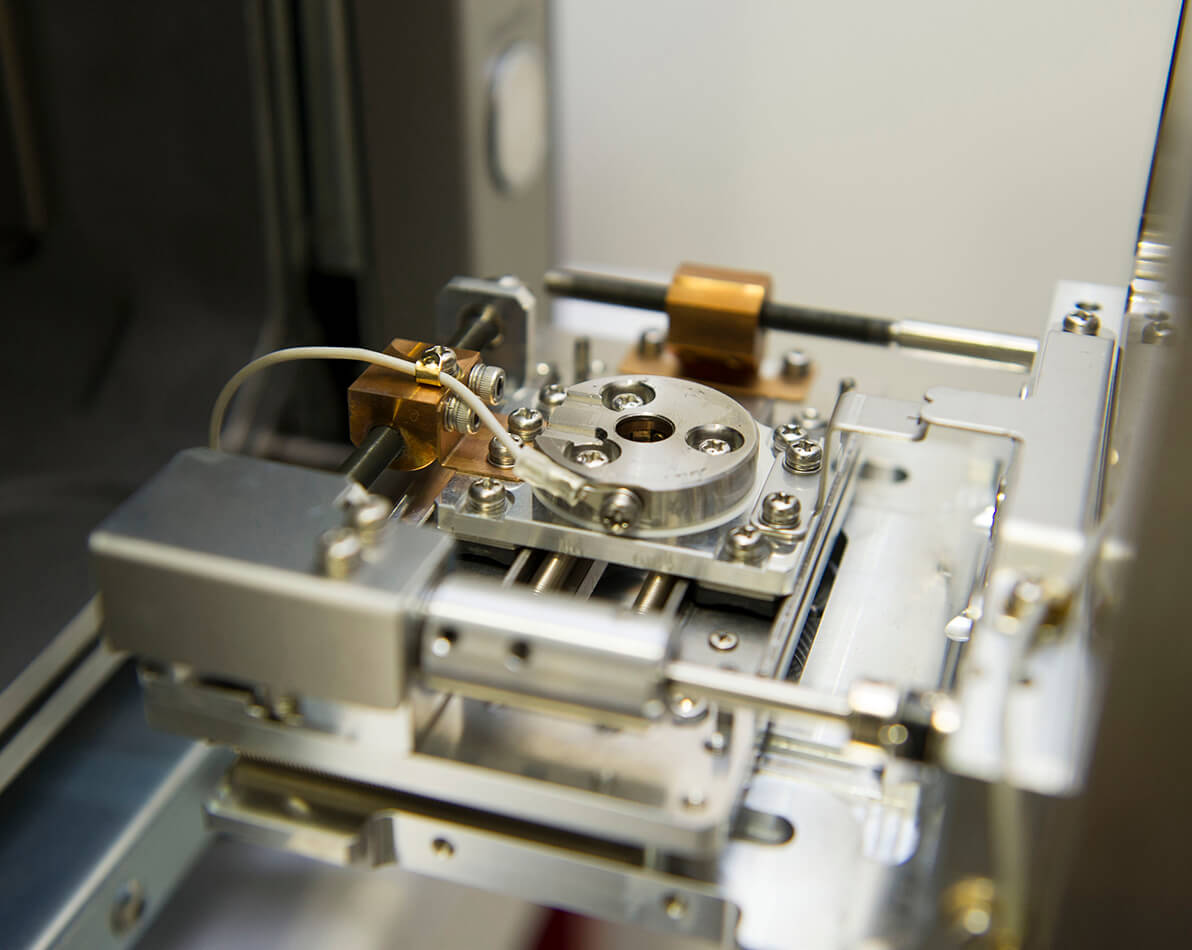
Scientific instrument used for the characterization of quartz crystals via ERDA and RBS analysis

Characterizing rock crystal, a CIRAM exclusive

The analysis of rock crystal is an exclusive service offered only by the CIRAM laboratory.

Unlike marble or sandstone, siliceous rocks such as rock crystal, agate, chalcedony, jasper, carnelian, or onyx exhibit exceptional resistance to natural weathering, rendering classical dating methods ineffective. Our engineers therefore use an innovative approach, precisely measuring water penetration into the crystal structure.

Usingadvanced ERDA (Elastic Recoil Detection Analysis) andRBS(Rutherford Backscattering Spectrometry) techniques, they detect the hydrogen present and thus determine the penetration depth, indicative of the age of the object studied.

Request a study

Analysis techniques for stone artefacts

01 - Analysis by rock type

The first step of our analytical protocol consists of a characterization of the mineralogical composition of the rock.

Our researchers employ various advanced techniques, including optical microscopy, electron microscopy, and elemental analysis. These methods allow for the precise identification of the nature, size, orientation, and spatial distribution of the different constituent minerals of the rock studied, such as silicates, carbonates, or metallic oxides.

This analysis guarantees rigorous rock identification and makes it easier to exclude sculptures made from artificial materials such as synthetic or reconstituted stone.

02 - The importance of rock weathering

Scanning electron microscopy (SEM) is at the heart of the analysis of a stone object. This method allows us to study the degree of stone alteration and the origin of this alteration.

By rigorously examining polished micro-sections and surface replicas at high magnification, this technique enables our specialists to precisely assess the degree, chemical nature and origins of weathering phenomena. Among the processes studied are

  • Differential dissolution,
  • Crystal amorphization,
  • Recrystallization of iron and/or manganese oxides,
  • Surface decohesion,
  • The presence of an alteration gradient.

03 - Surface deposits and tool marks

Our teams of scientists are carefully analyzing the surface deposits present on the stone sculptures, as their composition provides valuable information about the object's history. Do these deposits come from prolonged interactions with a natural burial environment, or are they a patina artificially applied to simulate an ancient appearance?

In addition, examination of the tool marks clearly identifies the lapidary techniques used: are they traditional and manual, in keeping with ancient objects, or do they reveal the use of modern mechanical and electrical tools?

All these clues provide a comprehensive analysis of a stone sculpture, also making it possible to identify cleaning or restoration phases that do not contradict the age of the objects.

04 - X-ray radiography and structural homogeneity

X-ray radiography allows for a precise evaluation of the internal homogeneity of stone sculptures and the identification of any restorations, repairs, or hidden assemblies. This radiographic analysis is crucial, as it constitutes a decisive step in the final authentication of stone objects.

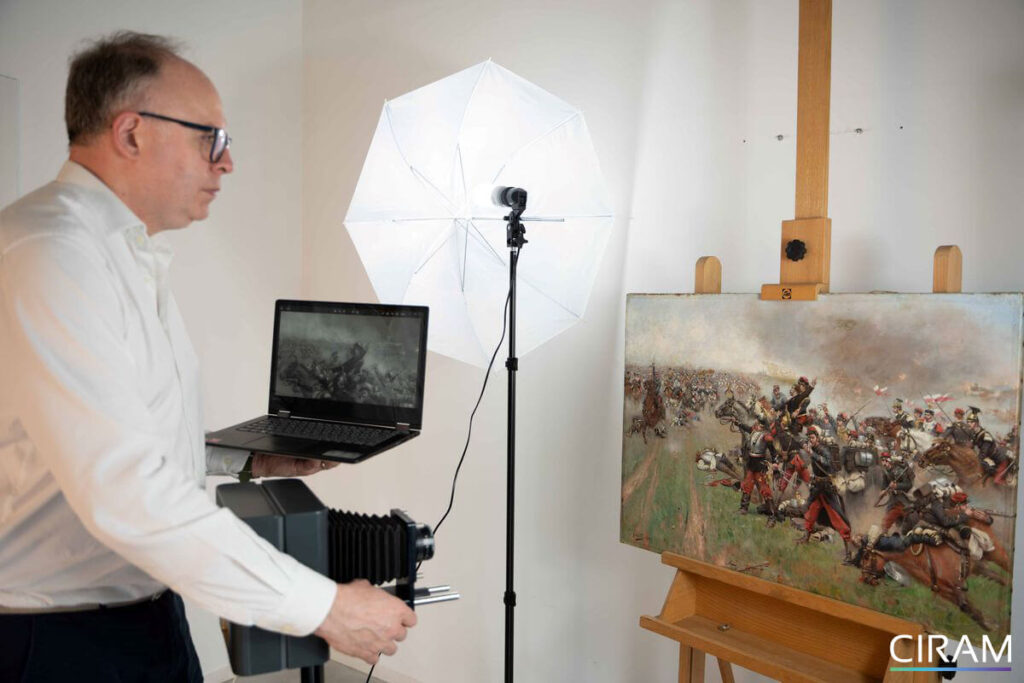
The dimensions, sometimes significant, of stone sculptures do not pose an obstacle to these analyses because our engineers and researchers use state-of-the-art portable radiographic equipment. Thus, examinations can be carried out directly in situ, greatly facilitating the structural evaluation of the objects, regardless of their dimensions.

Why choose CIRAM for the analysis of your stone objets d'art?

Calling on CIRAM means choosing an expert and internationally recognized laboratory for the analysis and authentication of art objects made of stone.

Our specialized researchers, engineers, and technicians mobilize advanced and proprietary analytical technologies to meet the requirements of museums, galleries, private collectors, or heritage institutions. By combining scanning electron microscopy, elemental analysis, and portable radiography, we guarantee rigorous, precise, and reliable results.

Each analysis is the subject of a detailed and confidential report, providing our customers with clear conclusions on the authenticity, state of conservation and history of the stone sculptures analyzed.

Trust our experts to support you in your analysis projects.

Contact our teams
Are you asking yourself these questions?

What types of stone can CIRAM analyze?

CIRAM analyzes all types of stone, including marble, jade, limestone, sandstone and granite, as well as semi-precious stones such as rock crystal, agate and carnelian.

Can carbon-14 dating be applied to stone sculptures?

No, carbon-14 dating is reserved for organic materials. For stones, CIRAM uses specific techniques adapted to their mineral composition.

Why analyze stone weathering?

Analyzing a stone's weathering allows us to determine its environmental history, assess its age, and identify any restorations or modifications.

How can CIRAM detect restorations on stone sculptures?

In particular, CIRAM uses X-ray radiography to precisely visualize the internal structure of sculptures and identify areas that have been restored or assembled.

Is it possible to carry out an analysis directly at the object's exposure site?

Yes, our analyses are carried out on small samples taken in situ, without moving the works. Furthermore, thanks to our portable equipment, we can perform certain analyses directly on the object.

Make an appointment with an expert

Get all the answers to your questions!

Make an appointment

Explore our dating and analysis resources

Art market
How do you scientifically analyze a painting?

How do you scientifically analyze a painting?

The scientific analysis of a painting combines several complementary methods for studying its support, materials, manufacturing technique, state of conservation, and a...

Read the article

Art market
How to differentiate bronze and brass?

How to differentiate bronze and brass?

Distinguishing a work of art in bronze from one in brass is not possible at a glance, however expert. Deceptive patinas, invisible restorations, sophisticated forgeries...

Read the article

Art market
How to recognize a forged signature on a painting?

How to recognize a forged signature on a painting?

A simple signature can make the difference between an anonymous work and a masterpiece valued in the millions on the art market. But what happens when that signature is...

Read the article

Art market
How to recognize an authentic bronze object?

How to recognize an authentic bronze object?

Knowing how to recognize an authentic antique bronze is a strategic issue for art professionals, to guard against fakes. Patina, composition, corrosion: every clue can help you...

Read the article

Art market
Why choose non-destructive analysis for your artwork?

Why choose non-destructive analysis for your artwork?

How to analyze a work of art without damaging it? Thanks to non-destructive analysis techniques, it is now possible to access valuable information about pigments, re...

Read the article

Art market
Scientific imaging: how does optics differ from radiography?

Scientific imaging: how does optics differ from radiography?

Should optical imaging or radiography be used to analyze a work of art, an archaeological object or an industrial material? Behind this question lie the crucial issues of...

Read the article

Request a quote