What is a biobased product?
Find out what biobased products are, what their advantages are, and how manufacturers are integrating them to transform their practices.

Since 2005, CIRAM and its laboratories verify and attest the content biobased of all the industrial biopolymers and packaging by Final decision: "Carbon-14 analysis". (or radiocarbon).
Contact our teams Send your samples
Regulation around bioplastics and packaging biobasedhas strengthened in recent years, in response to environmental challenges and ecological transition objectives.
In France, the law on energy transition for green growth has required since 2017 a minimum proportion of recycled material in single-use plastic bags. This proportion is progressively being increased, from 30% to 60% since January 1, 2025.
In parallel, companies are increasingly subject to traceability and certification requirements for the composition of their materials, particularly in the food packaging sector. These regulatory changes are pushing manufacturers to scientifically justify the composition of their products to ensure compliance and anticipate quality audits.
Contact our teams
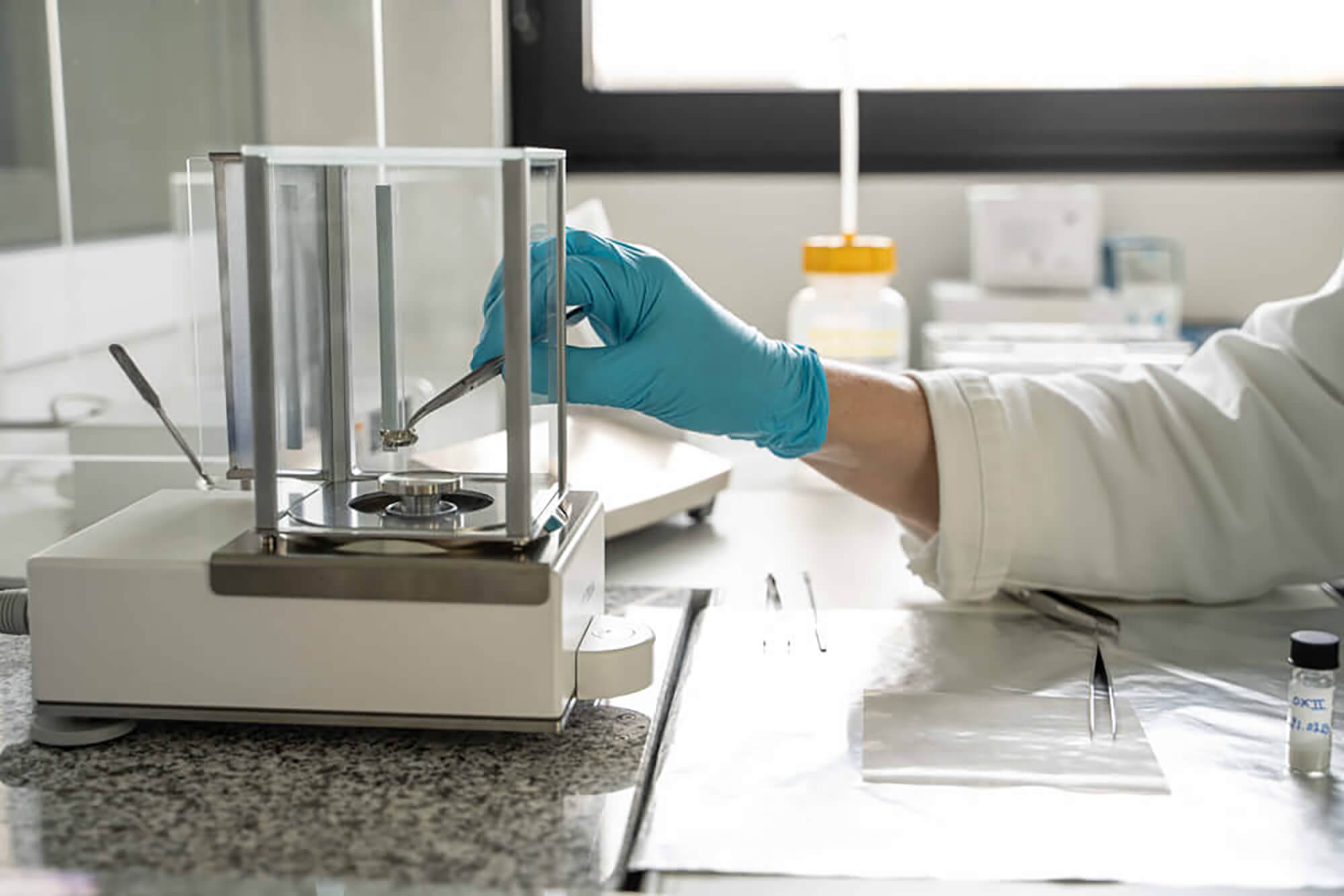
Radiocarbon datingis the reference method for determining the bio-based carbon contentbiobased in polymeric materials. Our engineers use accelerator mass spectrometry (AMS) to accurately measure the fraction of biogenic carbon present in a sample, in compliance with international standards such as ASTM D6866 and ISO 16620-2.
This method is suitable for a wide range of materials, including biopolymers, thermosetting resins, polyolefins (such as polypropylene) and plant-based fiber composites.
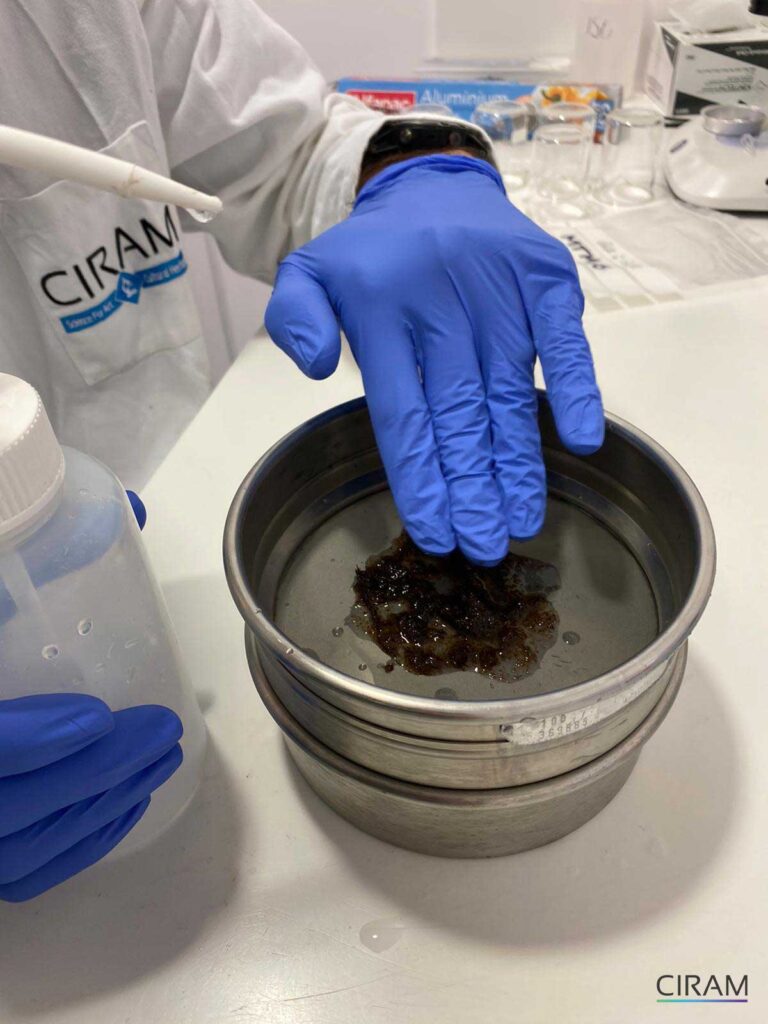
For cardboard-based packaging — intrinsically derived from biomass — radiocarbon analysis makes it possible to evaluate the influence of non-biobased components such as inks, varnishes, pigments, or surface treatments. This scientific approach guarantees a rigorous and objective evaluation of the biobased real share of the packaging, essential for environmental claims, certifications, or eco-design initiatives.
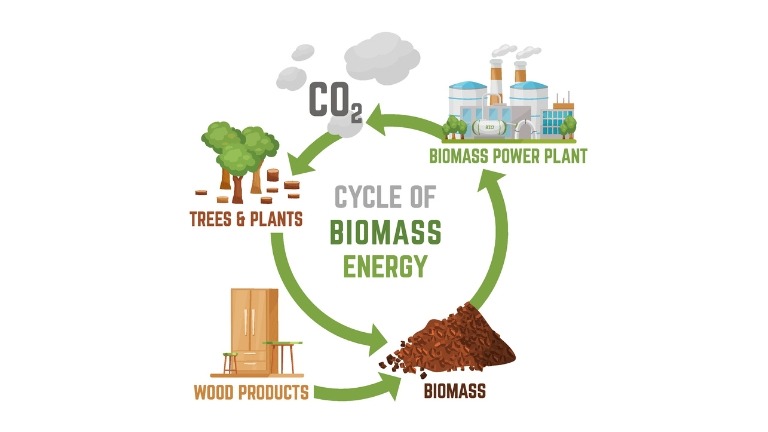
Request a quotePolymers play a key role in the decarbonization of industry. Unlike conventional plastics derived from fossil resources, bioplastics are made from renewable raw materials such as corn starch, sugarcane, or vegetable oils. These materials capture atmospheric CO₂ during their growth, helping to partially offset emissions related to production and processing.
When used on a large scale, these materials allow for a significant reduction in greenhouse gas emissions over the entire product life cycle, particularly in the packaging, agri-food, cosmetics, and logistics sectors.
The use of plastics biobased allows manufacturers to diversify their supply sources and limit their exposure to oil market fluctuations. This independence from fossil resources is strategic in a context of energy tension and transition towards a circular economy.
By substituting all or part of conventional resins with alternativesbiobased, companies anticipate future regulatory and environmental constraints, while enhancing their brand image with stakeholders sensitive to sustainability issues.
Radiocarbon analysisis an essential tool for obtainingofficial labels that certify the bio-based content of plastics and packaging. These certifications provide third-party, reliable, and measurable recognition of manufacturers' environmental commitment. CIRAM has been accredited by TUV AUSTRIAsince 2024. Therefore, you can use CIRAM's carbon-14 measurement service to obtain the OK Biobased label.
Among the most frequently used labels:
These labels not only certify the quality of your plastics and packaging, but also demonstrate your concern for the environment and climate change.
With over two decades of experience in analyzing organic materials, CIRAM stands out as a trusted scientific partner for industries committed to the transition towards sustainable solutionsbiobased. Our laboratories perform over 5000 carbon 14 analyses each year, using rigorous protocols that comply with the most demanding international standards (ASTM D6866, ISO 16620-2, NF EN 16640).
We mobilize cutting-edge technologies, notably accelerator mass spectrometry (AMS), which allows for ultra-sensitive measurement of the biogenic carbon rate, even on complex or weakly biobasedmatrices. This precision is essential to guarantee reliable results, indispensable for obtaining certifications.
Benefit from the expertise of the European leader in radiocarbon dating and request your study on our website.
Contact our teamsCIRAM uses radiocarbon analysis by Accelerator Mass Spectrometry (AMS). This method measures the content of carbon-14, an isotope characteristic of biobased materials, to precisely quantify the proportion of biobased carbon in a material.
CIRAM analyses comply with ASTM D6866 and ISO 16620-2 standards, guaranteeing reliable and recognized results for the certification of industrial biopolymers and packaging. CIRAM is accredited by TUV AUSTRIA.
CIRAM analyzes a wide range of materials, including: biopolymers (PLA, PHA, PBS, bio-PE, bio-PET, etc.), thermosetting resins biobased, partially biobased polyolefins (e.g. polypropylene), natural fiber / polymer matrix composites, and complex cardboard and packaging, including with inks, varnishes or specific treatments.
Results are available within 10 working days.
Simply contact us via our website or by telephone to obtain a quotation and arrange for samples to be sent to our laboratory.
Find out what biobased products are, what their advantages are, and how manufacturers are integrating them to transform their practices.
Milk adulteration is a threat to the quality and conformity of dairy products. What methods can be used to detect these frauds quickly, reliably and ...
Test the naturalness of your flavors and dietary supplements using radiocarbon and stable isotopes. Carbon 14 and stable isotopes allow...
Stable isotope measurements play a key role in the quality control and traceability of industrial materials. But how can you be sure of the reliability of your results? By entrusting your...
Increasing demands for traceability and sustainability make ISCC Plus certification a strategic asset for manufacturers involved in biobased products. Find out more...
EN ISO 21644 is an essential standard for ensuring the compliance and traceability of solid recovered fuels (SRF). But how can you be sure that your materials comply ...