Art market

Laboratory for dating and analysis of art objects

Thanks to a rigorous scientific approach and cutting-edge technologies, CIRAM assists you in the authentication, dating, and analysis of your works of art, whether they are ancient or contemporary.

Contact our teams Discover materials

They trust us

Louvre Museum logo
The National Gallery logo
Sotheby's logo
Palace of Versailles logo
Journey Through the Worlds Logo
Institut Pasteur logo
Christie's logo
Notre Dame de Paris Restoration Project logo
Rodin Museum logo
Petit Palais logo
Khalili Foundation logo
Giacometti Foundation logo
Bonhams logo

“I have been using CIRAM for many years for testing a wide range of artworks and have only ever found them utterly professional and completely reliable. They respond quickly to requests and are at the forefront of testing techniques and data analysis. We couldn’t do without them!”

Stuart Lochhead Sculpture

“I believe CIRAM delivers an important service to colectors as it enables us to scientifically date antique pieces, and therefore build our collections with confidence and avoid buying later copies that unfortunately are commonly mistaken for real antiques. This service is not only very useful regarding bone, ivory and ceramic pieces, but also on glass and stone pieces, where CIRAM is one of the very few reputable laboratories doing this work”

António Horta-Osório

“CIRAM brings exceptional expertise and care to every project we send them. Their thorough analyses and thoughtful guidance have become essential to our workflow. We couldn’t ask for a more dependable scientific partner.”

Yousr Farfour, Magnum Opus Gallery

Your challenges in the art market

Authenticating a work of art

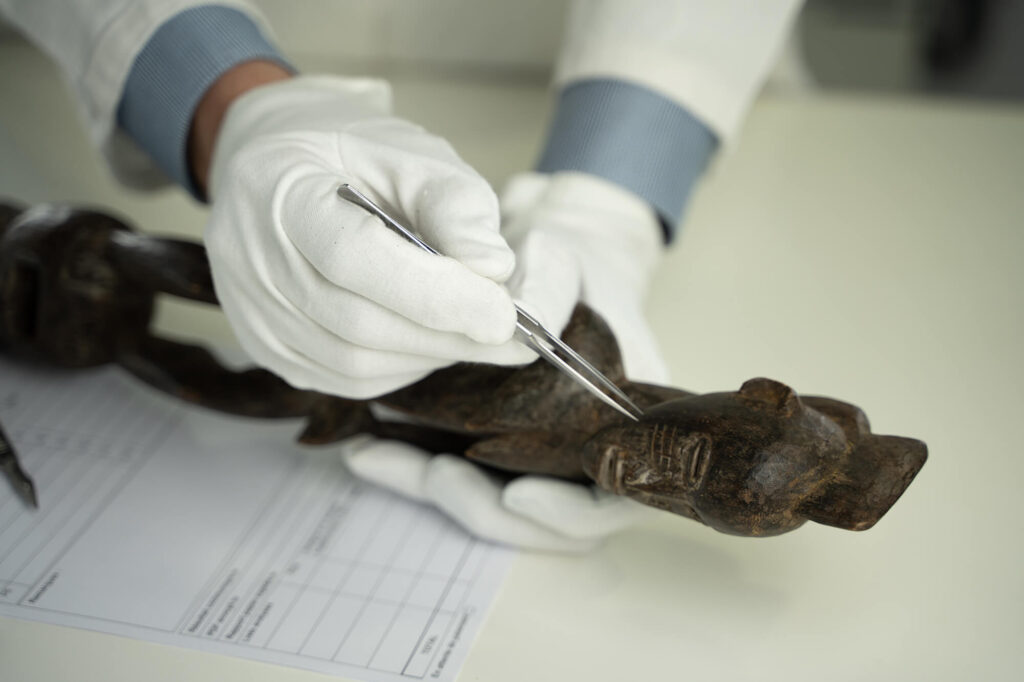
Check whether your art object is genuine, thanks to scientific analyses adapted to its nature, origin and presumed period.

Dating an old work
Dating an old work

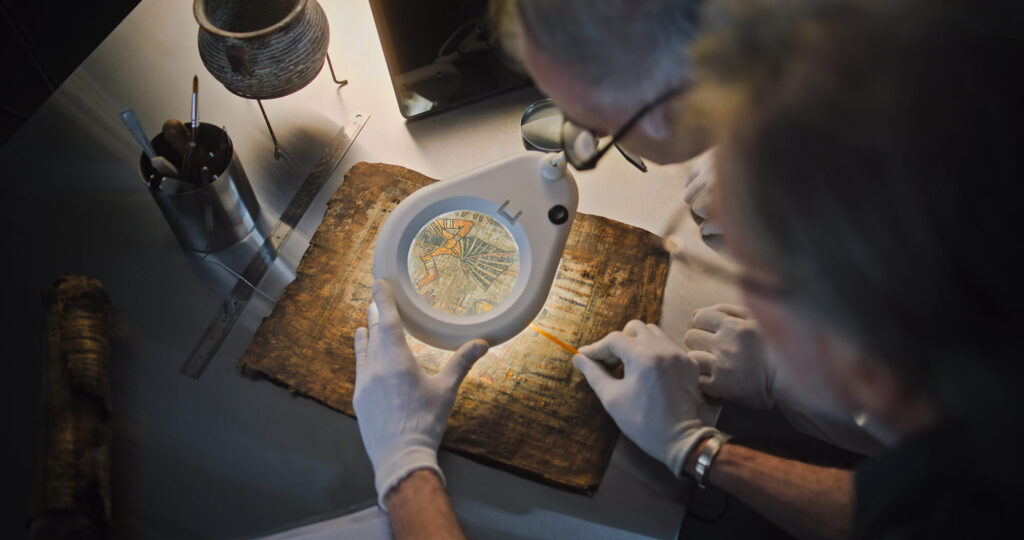
Use radiocarbon dating to accurately determine the age of your wood carving, ancient manuscript, painting or any other organic material, such as ivory...

Verifying the authenticity of a painting

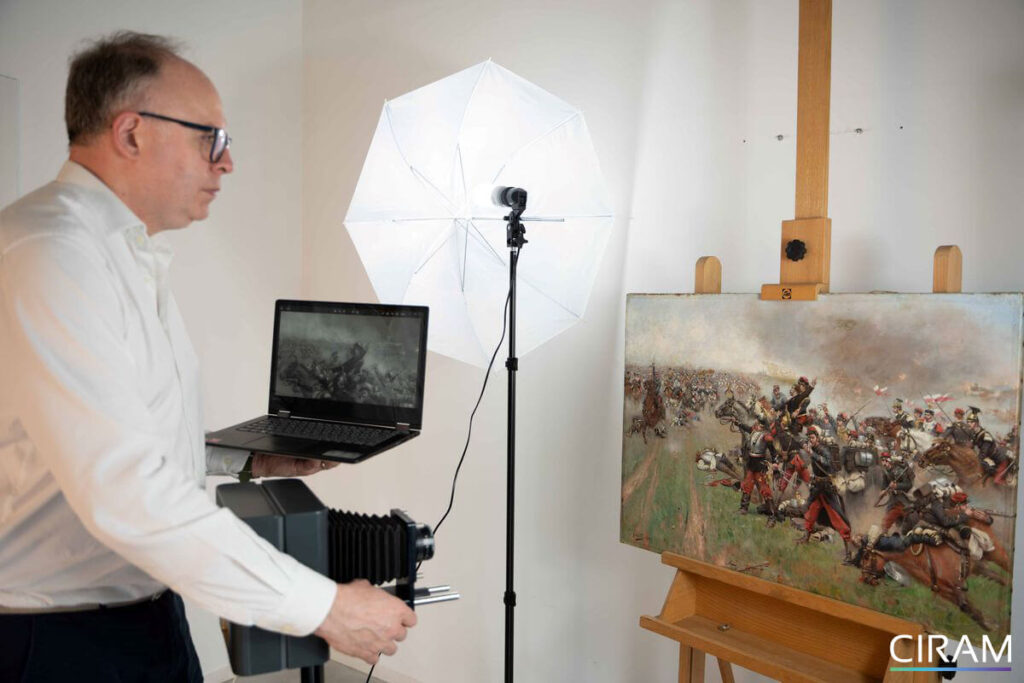
Check the historical compatibility of a painting by studying the pigments, binder and support used in relation to the period advertised.

Detecting a sculpture copy

Analyze the composition of materials to distinguish an old work from a modern reproduction, even if it has been cast or restored.

Assessing the conservation of a work

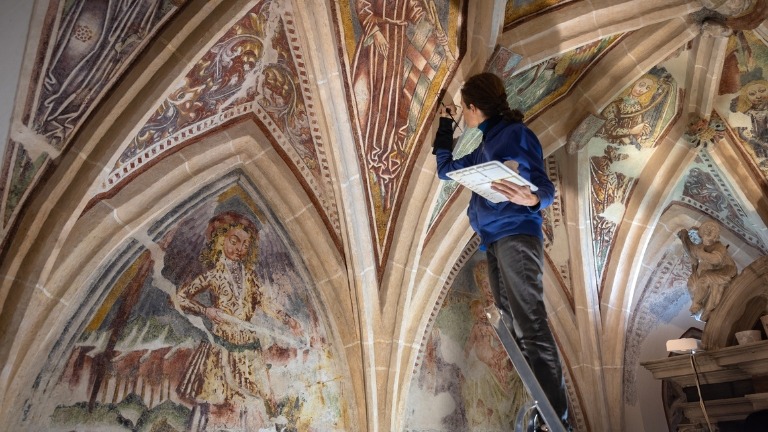
Identify past restorations and assess the work's state of preservation to guide its exhibition, sale and preservation.

Types of materials analyzed in the art

01 - Ceramics | Terracotta | Porcelain

The analysis of ceramic works, earthenware, porcelain, or faience is done by thermoluminescence (TL test), which allows dating the last firing of the material. This method relies on the ability of quartz and feldspar crystals to accumulate and release irradiation in the form of light, which is proportional to time.

CIRAM has a dedicated laboratory where our experts carry out this test to estimate the age of the object and thus authenticate ceramics and terracotta.

Read more

02 - Bronze | Silver | Gold

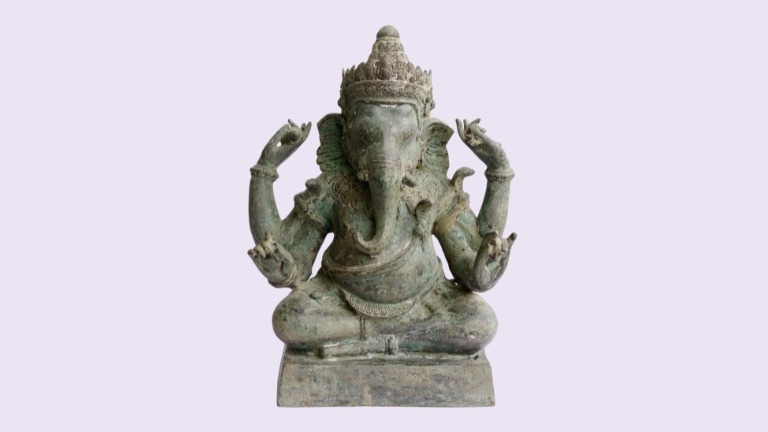
Although scientific dating of a metal artwork is impossible, we can authenticate and provide an age test for all your metal objects.

We precisely identify the elemental composition of alloys and detect formal indicators of modernity (presence of aluminum, phosphorus, or chromium in bronze, or manganese in iron). The study of the patina and internal structure offers a comprehensive and reliable analysis.

Our methods, adapted to each metal, offer scientific expertise to authenticate and assess the age of your art objects.

Read more

03 - Painting | Pigment

The dating of a painting addresses numerous issues related to its authenticity. At CIRAM, we begin with carbon-14 dating of the support (canvas, wood, paper), in order to verify its chronological compatibility with the painter's period of activity. This analysis can also lead to reattributing a work.

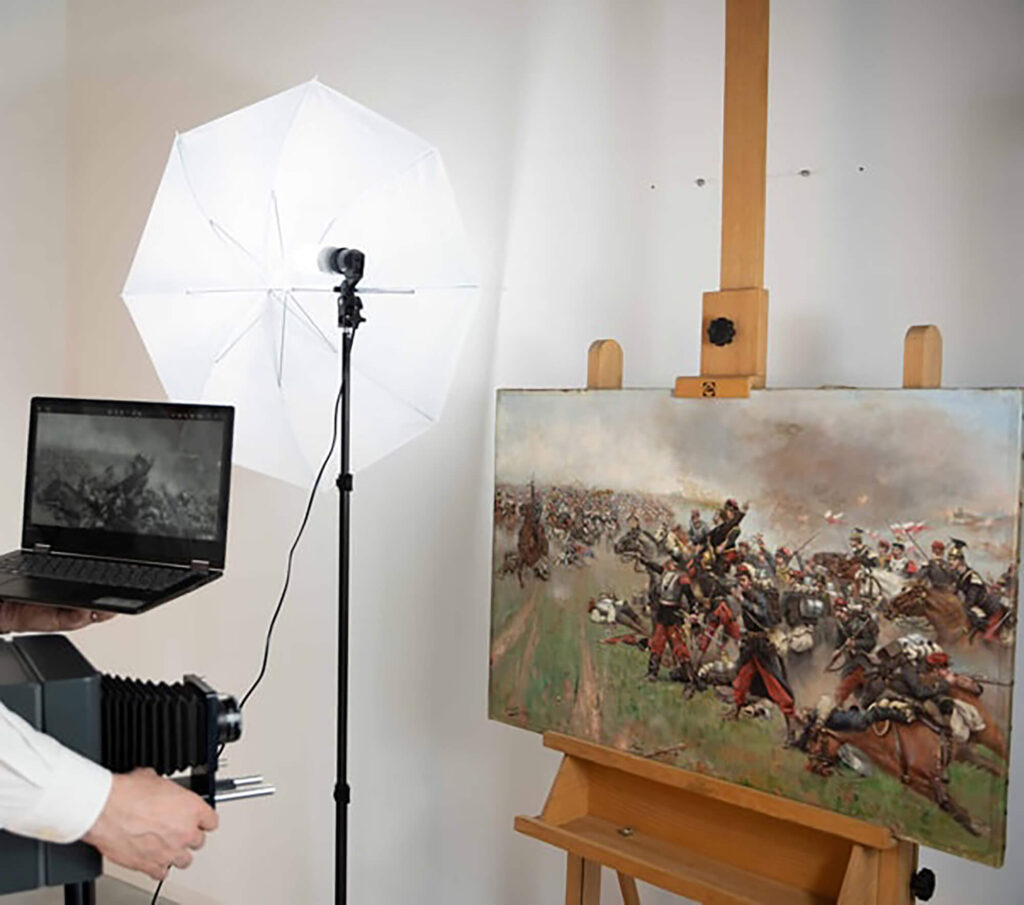
In parallel, we are conducting in-depth studies of pictorial techniques in the laboratory: signature research, highlighting of preparatory drawings, identification of restoration areas and pentimenti, as well as a characterization of the pigments and binders used.

Read more

04 - Wood | Ivory | Paper

The carbon-14 dating of objects made of ivory, wood, paper, or canvasis a key step in authenticating works of art. It allows for an estimation of the material's age, but is not always sufficient on its own. It can be supplemented by xylological analysis, which identifies the type of wood and provides indications about its geographical origin.

Other examinations like X-ray radiography or 3D scanning reveal the internal structure, restored areas, or hidden elements, thus enriching the overall expertise.

Read more

05 - Glass | Enamel | Stained glass

Forglasses and enamels, our analyses focus on the composition, the state of alteration, and the origin of this alteration. This data allows us to assess the age of an object, particularly in the context of a museum acquisition.

The study relies on a combination of laboratory techniques (optical and electronic microscopy, imaging), carried out by specialized scientists. Each method reveals precise information which, when cross-referenced, constitutes a body of solid evidence to determine if the object is ancient or modern, and thus contribute to its authentication.

Read more

06 - Stones | Minerals

It is necessary to distinguish the dating of the stone as raw material from that of the sculpted work. What is generally important is the chronology of creation. However, methods like carbon 14 cannot be applied to minerals. The analysis is carried out in the laboratory, using samples taken. Stone, a material that is not easily altered, is studied on works at least 300 years old.

These studies make it possible to authenticate the object, guide restoration, and identify certain rare minerals, such as rock crystal, analyzed exclusively by CIRAM laboratories.

Read more

CIRAM, world leader in art object dating and analysis

For over 20 years, CIRAM laboratories have offered precise scientific dating services tailored to each work of art, regardless of its material or period of creation. To guarantee reliable results, we use methods appropriate for each type of object: wood, ivory, metal, stone, glass, ceramic, canvas, or paper…

Our scientists, experts in their fields, combine several analytical techniques (carbon 14 dating, mass spectrometry, infrared, electron microscopy, radiography, multispectral imaging, etc.) to meet your specific needs, whether it is authentication, attribution, conservation or restoration. Each protocol is custom-designed to ensure the relevance of the results.

Recognized worldwide for the rigor of its analyses, CIRAMcounts prestigious institutions among its clients, such as the Louvre Museum in Paris.

Contact our teams

Are you asking yourself these questions?

Can a work of art really be accurately dated?

Yes, if it contains organic material (wood, ivory, canvas, paper...), carbon-14 dating enables us to estimate its age with a small margin of error. For non-organic materials (metal, glass, stone, ceramics...), other methods are used.

What types of objects can you analyze?

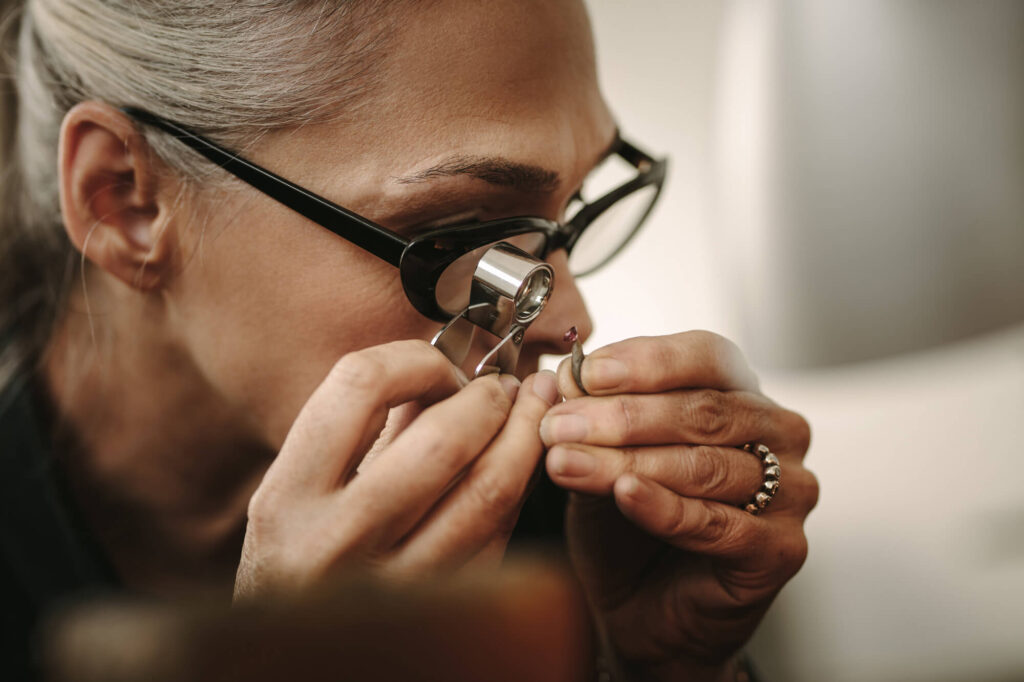
We analyze all types of art and heritage objects: paintings, sculptures, manuscripts, ceramics, stained glass, glass objects, antique jewelry...

Are analyses officially recognized?

Yes, CIRAM is recognized by cultural institutions, auction houses and museums worldwide. Our results are reliable, traceable and scientifically documented.

How long does an analysis take?

Time depends on the technique used and the type of object. A detailed quotation will be provided with an estimated lead time of between 2 and 4 weeks.

How can I get a quote or more information?

Click on "Contact our teams" for a quick response to your needs.

Make an appointment with an expert

Get all the answers to your questions!

Make an appointment

Explore our dating and analysis resources

Art market
How do you scientifically analyze a painting?

How do you scientifically analyze a painting?

The scientific analysis of a painting combines several complementary methods for studying its support, materials, manufacturing technique, state of conservation, and a...

Read the article

Art market
How to differentiate bronze and brass?

How to differentiate bronze and brass?

Distinguishing a work of art in bronze from one in brass is not possible at a glance, however expert. Deceptive patinas, invisible restorations, sophisticated forgeries...

Read the article

Art market
How to recognize a forged signature on a painting?

How to recognize a forged signature on a painting?

A simple signature can make the difference between an anonymous work and a masterpiece valued in the millions on the art market. But what happens when that signature is...

Read the article

Art market
How to recognize an authentic bronze object?

How to recognize an authentic bronze object?

Knowing how to recognize an authentic antique bronze is a strategic issue for art professionals, to guard against fakes. Patina, composition, corrosion: every clue can help you...

Read the article

Art market
Why choose non-destructive analysis for your artwork?

Why choose non-destructive analysis for your artwork?

How to analyze a work of art without damaging it? Thanks to non-destructive analysis techniques, it is now possible to access valuable information about pigments, re...

Read the article

Art market
Scientific imaging: how does optics differ from radiography?

Scientific imaging: how does optics differ from radiography?

Should optical imaging or radiography be used to analyze a work of art, an archaeological object or an industrial material? Behind this question lie the crucial issues of...

Read the article

Request a quote