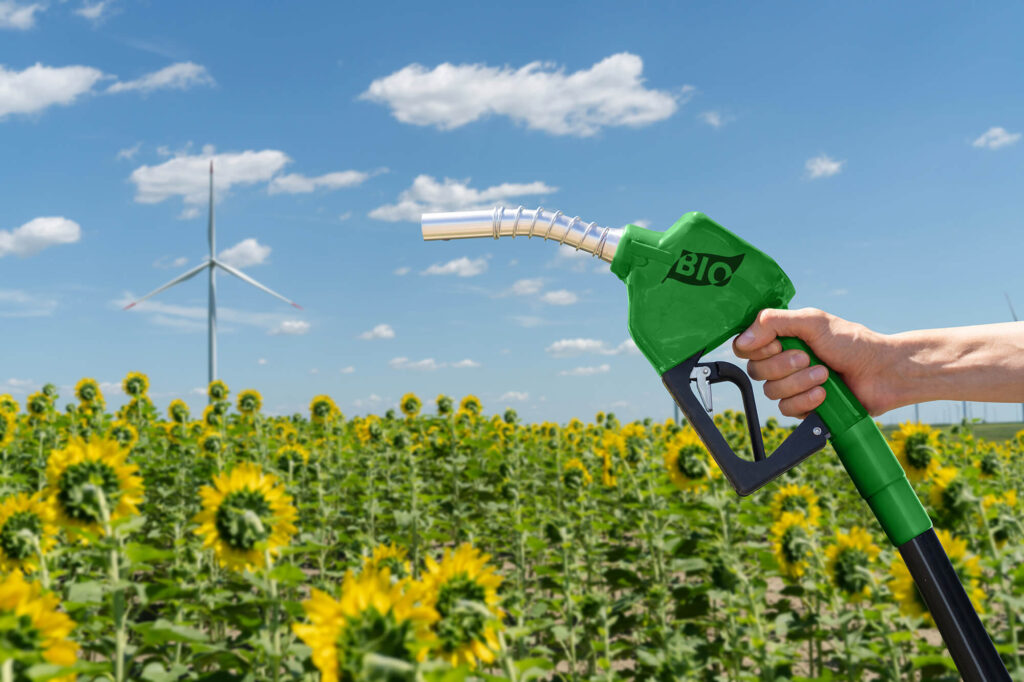
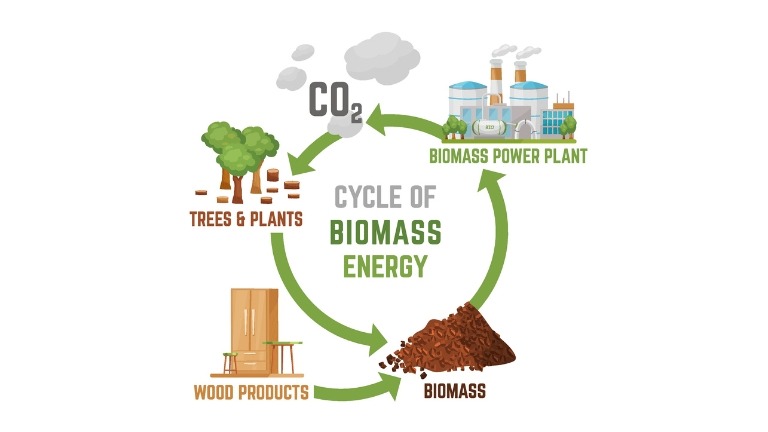
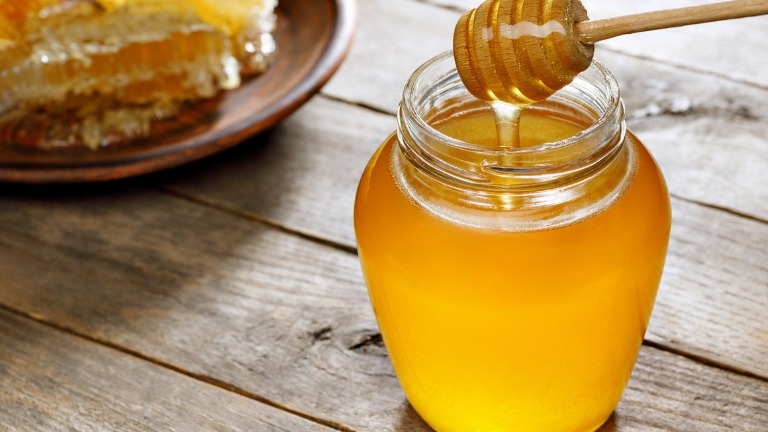
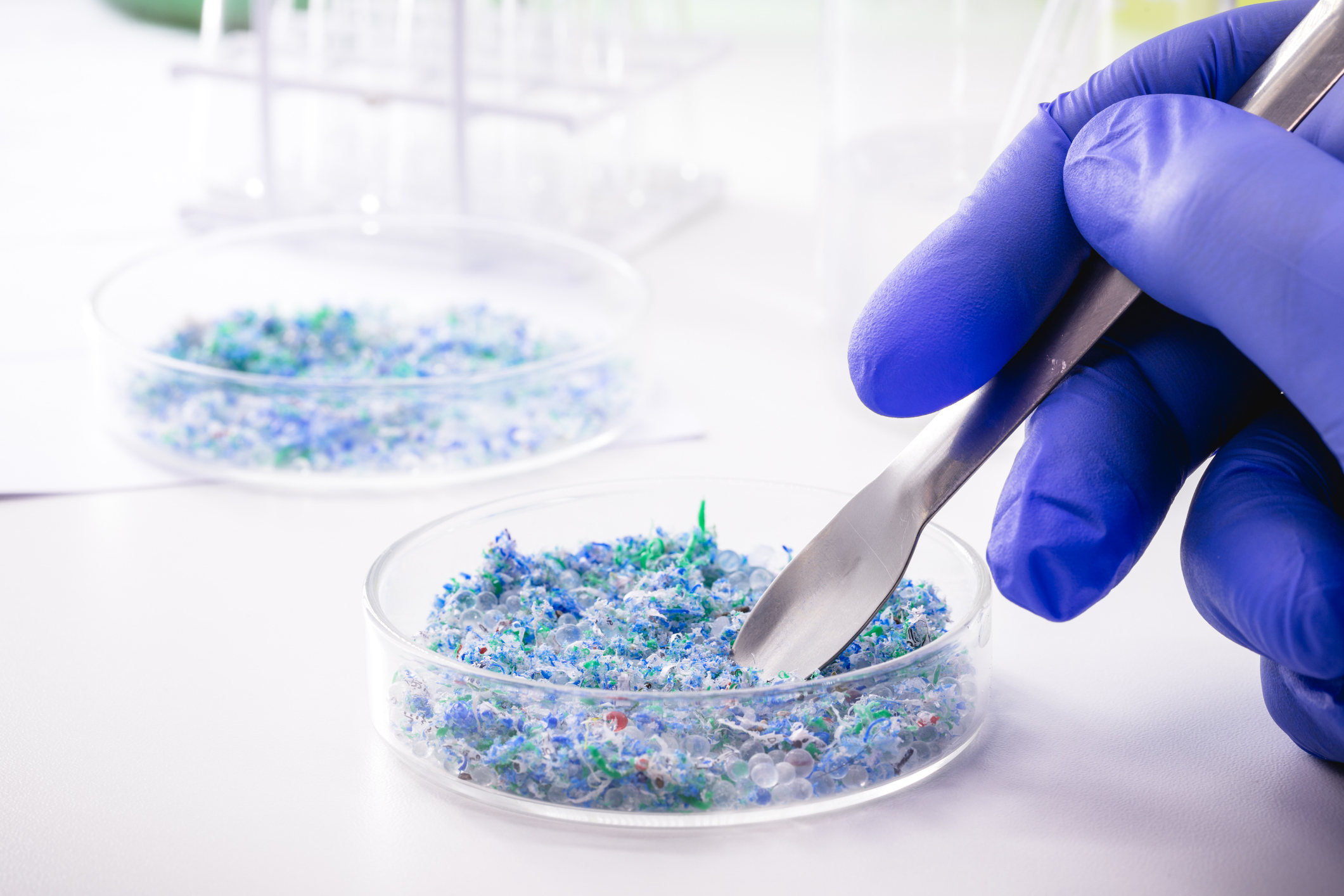
Laboratory scientist sampling biobased products

How to prepare and send industrial samples for analysis

Prepare your industrial samples in the best conditions to guarantee reliable and usable results. CIRAM supports you at every stage, from preparation to analysis and interpretation of results, by providing you with a guide to good sampling practices.

Send your samples Download the French version Download the English version
Laboratory scientist sampling biobased products

Guide to Good Sampling Practices

Proper preparation of industrial samples is essential to ensure the reliability and representativeness of analysis results. CIRAM offers you a comprehensive guide to good sampling practices that covers the main industrial matrices (food, biofuels, gases, polymers, SRF, etc.) and the requirements associated with standards NF EN 16640, ASTM D6866, NF EN 13833, NF EN ISO 21644, and ISO 16620-2.

Send a small but representative sample of your product:

  • Solids: a few grams are usually enough,
  • Liquids: a few milliliters,
  • Gas: volume adjusted according to the sampling method.

Your industrial sample must be representative of the product being analyzed. To ensure this, make sure it is homogeneous or homogenized, and do not send more material than is necessary. Special attention should be paid to multi-component materials to ensure that the sample analyzed accurately reflects the entire product.

Regarding packaging, and to prevent any contamination or loss, please ensure that your packaging is of high quality and that its contents are properly protected. We recommend using appropriate containers:

  • Leak-proof bottles or containers suitable for liquids,
  • Leak-proof bags or containers suitable for solids and gases.

Important documents to provide:

  • Completed sample form,
  • Safety Data Sheet (SDS) if the product is a chemical.

Although we have made every effort to ensure our guide is as comprehensive as possible, please feel free to contact us directly if you cannot find the answers to your questions. Our team will respond as soon as possible.

Contact our teams
Make an appointment with an expert

Get all the answers to your questions!

Make an appointment

Your other challenges in the Biobased Industry

Measuring the biobased content of industrial products

Measure the proportion of renewable raw materials in your formulations and certify their biobased origin.

Analysis of product naturalness: verifying natural origin using carbon-14 and isotopic analysis

Check the authenticity and natural composition of your products to meet the requirements of eco-labels and consumers.

Analysis of biogenic carbon: biofuels, CSR, and CO₂ emissions

Determine the biobased content of your fuels and quantify biogenic emissions in line with environmental standards.

Explore our dating and analysis resources

Industry
What is a biobased product?

What is a biobased product?

Find out what biobased products are, what their advantages are, and how manufacturers are integrating them to transform their practices.

Read the article

Industry
Milk adulteration: what laboratory testing methods are available?

Milk adulteration: what laboratory testing methods are available?

Milk adulteration is a threat to the quality and compliance of dairy products. How can these frauds be detected reliably?

Read the article

Industry
ISCC Plus certification: how to secure your biobased supply chains?

ISCC Plus certification: how to secure your biobased supply chains?

Increasing requirements for traceability and sustainability make ISCC Plus certification a strategic asset for manufacturers committed to biobased sectors.

Read the article

Industry
Analysis of solid recovered fuels (SRF): methods, carbon 14 and regulation

Analysis of solid recovered fuels (SRF): methods, carbon 14 and regulation

How to ensure that solid recovered fuels (SRF) comply with the requirements of NF EN ISO 21644?

Read the article

Industry
How to recognize adulterated honey

How to recognize adulterated honey

Honey adulteration is a growing threat to the industry, compromising quality, compliance, and traceability. How can we ensure honey is authentic and compliant with standards?

Read the article

Industry
"Biobased Product" label: what percentage of biobased material in your industrial paints?

"Biobased Product" label: what percentage of biobased material in your industrial paints?

Paints biobased are revolutionizing the industry with solutions that are both ecological and high-performance. But how can their quality be guaranteed and the "Bio-based Product" label be obtained?

Read the article

Request a quote